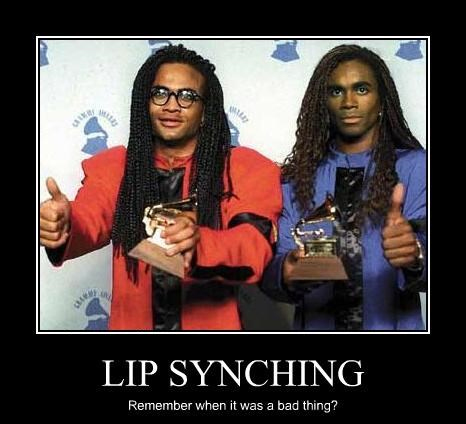
 Milli Vanilli biography
Milli Vanilli. The mere mention of the name still calls up the same derision
it did when the dance-pop duo's career came to a sudden and ignominious end:
Fakers. Frauds. A blatant marketing
scam. Their story has been retold countless times: after selling
millions of records, Rob Pilatus and Fabrice Morvan were revealed to be models who publicly lip-synced to tracks recorded by anonymous
studio vocalists.
They became the first act ever
stripped of a Grammy award and came to symbolize everything people disliked
about dance-pop. Yet for all the scapegoating, they
were far from the only dance-pop act to be fronted by lip-syncers
in the late '80s (the Martha Wash-voiced Black Box and C+C Music Factory spring
to mind), nor were they the only Europop act to
employ similar marketing tactics. Milli Vanilli had the bad luck to get caught
in a hoax during the extraordinarily image-conscious MTV era and a time when
dance music of any stripe was accorded virtually no critical respect anyway,
before its producers were perceived as the real creative points of focus.
Milli Vanilli was the brainchild
of German producer Frank Farian, who'd previously masterminded the European
disco group Boney M. and the session-musician rock outfit Far Corporation.
Seeking to fuse European dance-pop with elements of American rap, Farian
assembled a number of session musicians and vocalists, including rapper Charles
Shaw (an Army veteran) and two middle-aged American singers living in Germany,
Johnny Davis and Brad Howell. Realizing that he had a marketable record but a
distinctly unmarketable image, Farian hired two aspiring models and former
break dancers, Rob Pilatus and Fabrice Morvan, to pretend to be the group in
videos, concerts, interviews, and the like. Pilatus had been born in New York
in 1965, but grew up in Munich, spending some time in an orphanage after his
parents (an American soldier and German stripper) gave him up for adoption.
Morvan was born in 1966 on the island of Guadeloupe, lived in Miami for a time,
and moved with his mother to Paris. Both skilled dancers, the two had met
sometime circa 1984 and were attempting to make it as singers, dancers, models,
or whatever they could. Their exotic look and long dreadlock extensions were
just what Farian was looking for.
Milli Vanilli's first album, All or Nothing, was released in Europe in 1988 and was an
instant success. Retitled Girl You Know It's True (after the lead single) and trimmed a bit, the
record was issued in the U.S. in early 1989. Its catchy, lightweight pop-rap
proved equally popular with American audiences; "Girl You Know It's
True" raced up the pop charts to number two, and the next three Milli
Vanilli singles -- "Baby Don't Forget My Number," the ballad "Girl
I'm Gonna Miss You," and the Diane Warren-penned
"Blame It on the Rain" -- all hit number one.
Despite near-universal critical
distaste (Farian's productions often recycled the same sounds and drum tracks),
Girl You Know It's True sold an astounding seven
million copies in the U.S. alone; internationally, Milli Vanilli sold
approximately 30 million singles. Milli Vanilli was soon nominated for a Grammy
award for Best New Artist, even though the rumors
continued to swirl. And in early 1990, they won it, for the record beating out
the Indigo Girls, Neneh Cherry, Soul II Soul, and Tone-Loc.
Success (or at least fame) was
beginning to go to the duo's heads, particularly Pilatus, who was given to
extreme mood swings and erratic behavior, and
developed a cocaine problem. In an interview with Time magazine, Pilatus
compared himself and Milli Vanilli favorably to Bob
Dylan, Elvis Presley, Paul McCartney, and Mick Jagger,
and was roundly ridiculed for his statements. Additionally, Pilatus and Morvan
had been pressuring Farian to let them sing all the vocals on the next Milli
Vanilli album. Exasperated with them, Farian exposed the whole scheme in
November 1990 and the public was furious. Pilatus and Morvan were stripped of
their Grammy (ironically, the committee had justified its vote by citing the
duo's "visual impact"), and a class-action suit was filed against Arista Records, allowing anyone who believed they'd been
defrauded into purchasing the group's records to apply for a rebate. Arista dropped the group and deleted Girl You Know It's
True from their catalog, making it the
biggest-selling album ever taken out of print.
In 1991, Farian attempted to
re-form Milli Vanilli with the original session vocalists (including female
backup singer Gina Mohammed), this time crediting them and billing them as the
Real Milli Vanilli, while also adding a Pilatus/Morvan look-alike named Ray
Horton. However, the resulting Moment of Truth album flopped.
Pilatus, meanwhile, was unable
to deal with the sudden fall from grace; after mixing alcohol and prescription
drugs, he slashed one of his wrists in a Los Angeles hotel, then called police
and reporters to the scene, where he had to be removed from the balcony he was
threatening to jump off of. Attempting to prove that they really could sing if
given the chance, Pilatus and Morvan regrouped in 1993 as Rob & Fab; however, with their credibility damaged beyond repair,
their self-titled debut reportedly sold only 2,000 copies total, despite an
appearance on The Arsenio Hall Show.
From there, Pilatus hit rock
bottom. Beginning in 1995, he was arrested for several separate incidents in
Los Angeles involving assaults, vandalism, and attempting to break into a car.
Convicted of four different misdemeanors, he was
sentenced to several months in jail in 1996, and did the first of numerous
stints in drug rehab centers for his cocaine
addiction. Pilatus eventually returned to Germany; in April 1998, his body was
found in a Frankfurt hotel room after he mixed a fatal combination of pills and
alcohol. Morvan continues to pursue a solo career.